21st International Conference on Numerical Combustion

ICNC 2027

International Conference on Numerical Combustion

Banff Centre for Arts and Creativity, Banff National Park, Alberta, Canada

Tuesday 1 – Friday 4 June 2027

Abstract submission opens in November 2026.

  1. 2 Nov 2026Abstract submission opens
  2. 8 Jan 2027Abstract submission deadline
  3. 22 Jan 2027Notification of acceptance
  4. 8 Feb 2027Registration deadline for presenters
  5. 8 Mar 2027Early-bird registration deadline
  6. 1–4 Jun 2027Conference

Dates are tentative until confirmed by the organizing committee. See all important dates.

A specialised forum for combustion simulation and modelling

Every two years the International Conference on Numerical Combustion brings together researchers, engineers and students who use computational methods to understand reacting flows. The 2027 edition, the twenty-first in a series that began in Sophia Antipolis in 1985 and most recently visited Kyoto (2024) and Rome (2025), is hosted by the University of Calgary in the Canadian Rockies.

The program will combine invited lectures by leading international specialists, contributed oral presentations in parallel sessions, mini-symposia on focused themes, and opportunities for early-career researchers and students to present their work. All topics and approaches in numerical combustion are welcome: fundamental modelling, algorithm development, simulation of practical combustion systems, validation against experiments, and emerging methods for predictive combustion science.

Why Banff

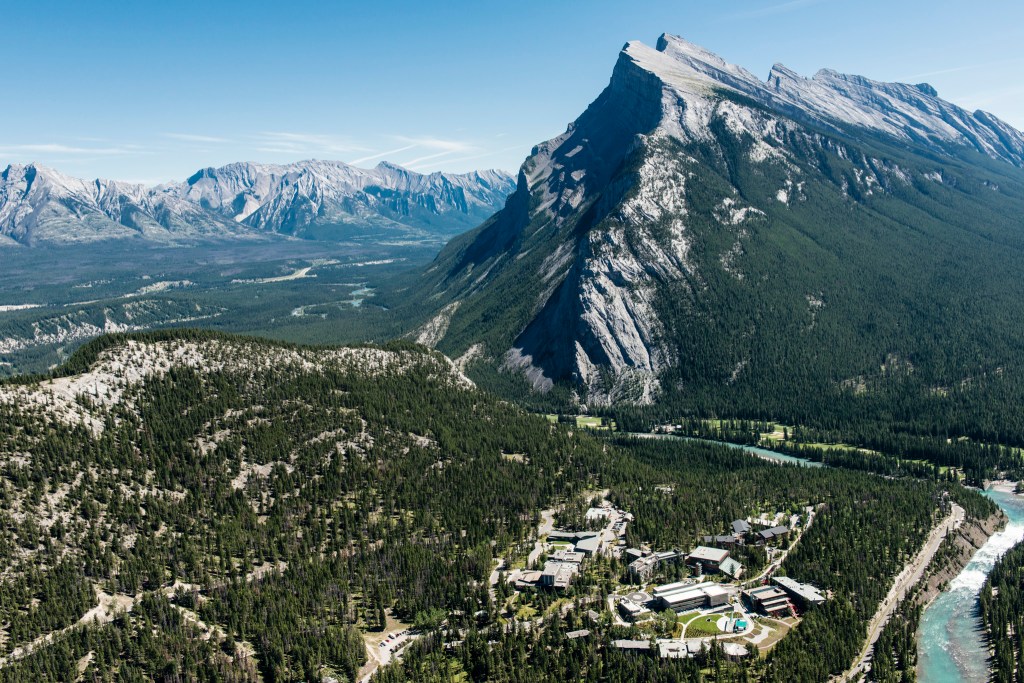
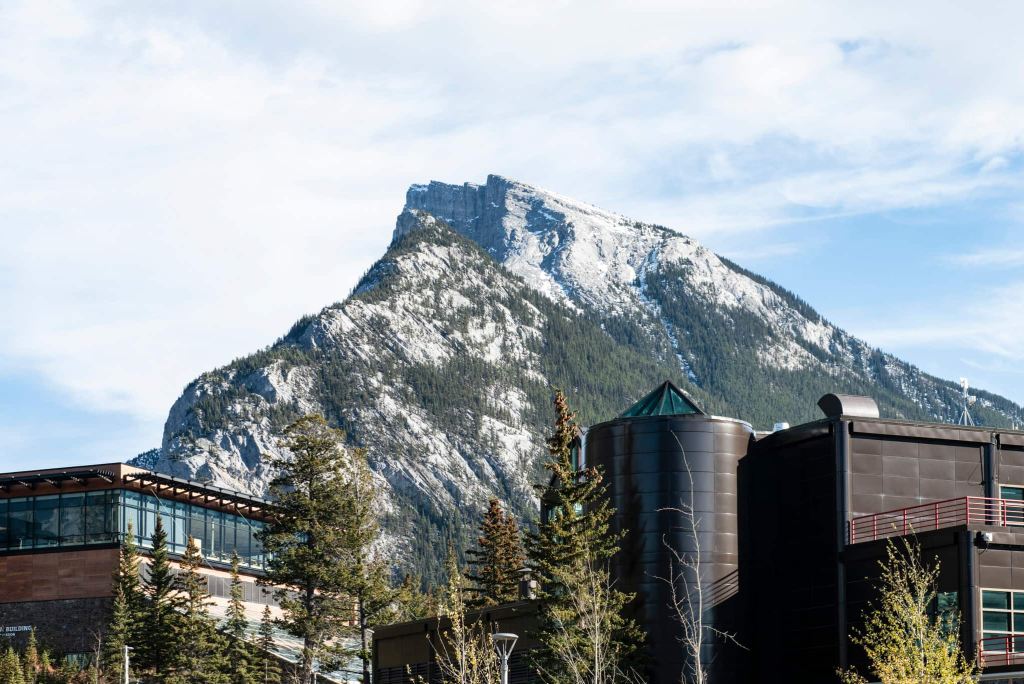
Banff Centre for Arts and Creativity sits on a 43-acre campus on Tunnel Mountain, a twenty-minute walk from the town of Banff and about 90 minutes by road from Calgary International Airport. Sessions, meals and accommodation are all on one campus, and early June brings long days and open trails in the surrounding national park.

Topics

Contributed talks are grouped into the following tracks. Mini-symposia on more focused themes run alongside them.

  • Advanced computational methods for reacting flows
  • High-performance computing for accelerated simulations
  • Data-based combustion modeling
  • Laminar and turbulent flame theory and modeling
  • Chemical kinetics, mechanism reduction
  • Renewable and low-carbon fuels combustion
  • Critical phenomena, ignition, extinction
  • Turbulent combustion theory and modeling
  • Combustion instabilities
  • Pollutant formation and mitigation
  • Droplet, spray dynamics, and real gas effects in combustion
  • Heterogeneous and multi-phase reactions
  • Detonation, explosions, supersonic combustion
  • Gas turbines, engines, and propulsion applications
  • Energy conversion and storage applications
  • Multi-scale, multi-physics modeling and simulation
  • Fire prediction and modeling
  • Combustion AI and digital twins
  • Micro-combustion and new combustion technologies
  • Plasma-assisted combustion

Organizing committee

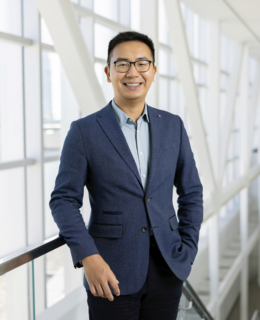
Prof. Leo FangUniversity of Calgary
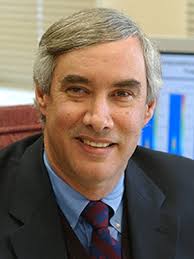
Prof. Mitchell SmookeYale University
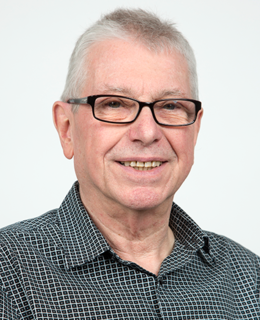
Prof. Luc BauwensUniversity of Calgary
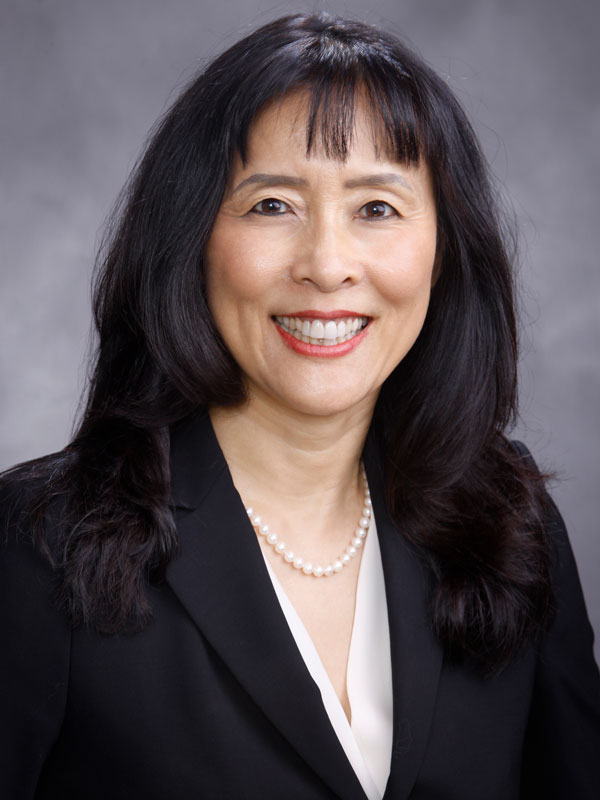
Dr. Jackie ChenSandia National Laboratories

Full organizing team and scientific team

Supporters

University of Calgary Schulich School of Engineering The Combustion Institute Sandia National Laboratories Yale University

Interested in sponsoring the conference? See sponsorship opportunities.